Buy gaestehaus.eu ?
We are moving the project
gaestehaus.eu .
Are you interested in purchasing the domain
gaestehaus.eu ?
domain@kv-gmbh.de · 0541-91531010
Buy gaestehaus.eu ?
What distinguishes a lemon tree from an orange tree?
One key distinction between a lemon tree and an orange tree is the fruit they produce. Lemon trees bear yellow, sour-tasting fruits, while orange trees produce round, orange-colored sweet fruits. Additionally, the leaves of lemon trees are typically smaller and more elliptical in shape compared to the larger, oval-shaped leaves of orange trees. Finally, lemon trees are generally more cold-sensitive than orange trees, requiring warmer climates to thrive. **
Does the orange tree turn into a lemon tree?
No, an orange tree does not turn into a lemon tree. Orange trees and lemon trees are two distinct species of citrus trees with different genetic makeup and characteristics. While they may be related and share some similarities, they do not transform into each other. If you want to grow lemons, you need to plant a lemon tree, and if you want oranges, you need to plant an orange tree. **
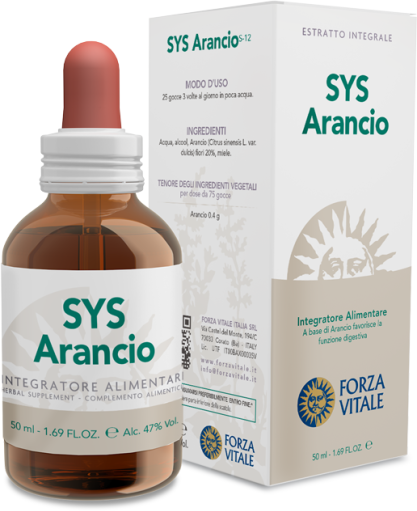

Similar search terms for Forza-Vitale-Orange-Tree
Top-Angebote
Products related to Forza-Vitale-Orange-Tree:
-
Forza Vitale Vitale Rabarlax 25 gr 60 UnitsNutrition and Supplements Digestive enzymes and fibers Forza Vitale Vitale Rabarlax 25 gr 60 Units Senna and Aloe promote normal, physiological intestinal transit. The leaves of the species *Cassia alexandrina*, commonly and generically known as Senna, possess laxative properties that have been known for centuries. As with aloe, the purgative action is determined by anthraquinone derivatives, and in particular by anthraquinones combined in the form of glycosides. The main components of Aloe are glycosides that, metabolized into aglycones, stimulate colonic motility: the released hemodin is transformed by bacteria into anthron, which increases peristalsis and mucus production. Fennel seeds have long been used for dyspeptic disorders, flatulence, and spasms of the gastrointestinal tract. Combined with anthraquinone laxatives, it corrects the atony that often appears with the use of such preparations. Anise seeds can be considered effective regulators of digestive processes and carminatives. The stimulating effect of green anise on peristalsis, in cases of intestinal atony, along with its antispasmodic action, justifies its use in dyspepsia, gastrointestinal spasms, and flatulence. Chamomile, long known for its antispasmodic properties, is particularly indicated for calming painful conditions such as intestinal colic. Due to the presence of its tannins, rhubarb, in high doses, becomes an excellent laxative. Its action is located in the large intestine, where it inhibits water reabsorption and increases intestinal peristalsis. Format: 25 g10,14 £*Shipping: 3,99 £Secure redirect to the provider
-
Forza Vitale Cistimel 130 mlNutrition and Supplements Special supplements Forza Vitale Cistimel 130 ml Cistimel is a food supplement based on D-Mannose, Pomegranate and N-acetylcysteine, ingredients that contribute to the normal functioning of the urinary tract. Thus, this product can support the physiological functionality of the body in case of cystitis. Instructions for use: Acute phase: with an empty bladder, take 1 scoop of 5 ml diluted in 1 glass of water. After an hour, drink plenty of water. Repeat up to 6 times a day after urinating.\ \ Maintenance phase: with an empty bladder, take 1 scoop of 5 ml diluted in\ 1 glass of water. After an hour, drink plenty of water. Repeat up to 3 times a day after urinating.25,61 £*Shipping: 3,99 £Secure redirect to the provider




-
What does my orange tree have?
Your orange tree has vibrant green leaves, fragrant white blossoms, and small green oranges growing on its branches. It also has a sturdy trunk and roots that anchor it in the soil, providing stability and support for its growth. With proper care and attention, your orange tree has the potential to produce delicious, juicy oranges for you to enjoy. **
-
How do you prune an orange tree?
To prune an orange tree, follow these steps: 1. Start by removing any dead, damaged, or diseased branches. Cut them back to the main trunk or a healthy lateral branch. 2. Next, look for any branches that are crossing or rubbing against each other. Remove one of the branches to prevent damage and improve air circulation. 3. Thin out the canopy by removing some of the smaller, weaker branches. This will allow more sunlight and air to reach the inner parts of the tree. 4. Trim back any branches that are growing too close to the ground or are touching the soil. This will help prevent pests and diseases from affecting the tree. 5. Finally, step back and assess the overall shape of the tree. Aim for a balanced, open canopy that allows sunlight to reach all parts of the tree. Remember to use sharp, clean pruning shears and make clean cuts to promote healing. Pruning is best done in late winter or early spring before new growth begins. **
-
How often should one water an orange tree?
Orange trees should be watered regularly, typically once a week. However, the frequency of watering may vary depending on factors such as the climate, soil type, and age of the tree. It is important to ensure that the soil is consistently moist but not waterlogged. Monitoring the soil moisture level and adjusting the watering schedule accordingly is key to keeping an orange tree healthy. **
-
How do you care for an orange tree?
To care for an orange tree, it is important to plant it in well-draining soil and in a location that receives full sunlight. Water the tree regularly, especially during dry periods, but be careful not to overwater as this can lead to root rot. Fertilize the tree with a balanced fertilizer in the spring and summer months. Prune the tree to remove dead or diseased branches and to shape the tree for better fruit production. Keep an eye out for pests and diseases, and treat them promptly to keep the tree healthy. **

What are we doing wrong with the orange tree?
It seems like the orange tree is not receiving enough sunlight, as it is not growing well and the leaves are turning yellow. Additionally, the soil may not be well-draining, leading to root rot. It is important to ensure the tree is getting adequate sunlight and to improve the soil drainage by repotting it in well-draining soil. Overwatering may also be a factor, so it is important to water the tree only when the top inch of soil is dry. **
Can one put the orange tree by the window?
Yes, one can put the orange tree by the window as long as it receives enough sunlight. Orange trees require at least 6-8 hours of direct sunlight per day, so placing it by a sunny window would be ideal. Just make sure the tree is not exposed to drafts or extreme temperature changes, and that the window provides enough space for the tree to grow and thrive. **
Top-Angebote
Products related to Forza-Vitale-Orange-Tree:
-
Forza Vitale Fraxifor GranulesNutrition and Supplements Special supplements Forza Vitale Fraxifor Granules Natural supplement that promotes good health. Based on natural extracts that act positively on the body. Facilitates the elimination of uric acid and joint pain.15,85 £*Shipping: 3,99 £Secure redirect to the provider
-
Forza Vitale Vitale Rabarlax 25 gr 60 UnitsNutrition and Supplements Digestive enzymes and fibers Forza Vitale Vitale Rabarlax 25 gr 60 Units Senna and Aloe promote normal, physiological intestinal transit. The leaves of the species *Cassia alexandrina*, commonly and generically known as Senna, possess laxative properties that have been known for centuries. As with aloe, the purgative action is determined by anthraquinone derivatives, and in particular by anthraquinones combined in the form of glycosides. The main components of Aloe are glycosides that, metabolized into aglycones, stimulate colonic motility: the released hemodin is transformed by bacteria into anthron, which increases peristalsis and mucus production. Fennel seeds have long been used for dyspeptic disorders, flatulence, and spasms of the gastrointestinal tract. Combined with anthraquinone laxatives, it corrects the atony that often appears with the use of such preparations. Anise seeds can be considered effective regulators of digestive processes and carminatives. The stimulating effect of green anise on peristalsis, in cases of intestinal atony, along with its antispasmodic action, justifies its use in dyspepsia, gastrointestinal spasms, and flatulence. Chamomile, long known for its antispasmodic properties, is particularly indicated for calming painful conditions such as intestinal colic. Due to the presence of its tannins, rhubarb, in high doses, becomes an excellent laxative. Its action is located in the large intestine, where it inhibits water reabsorption and increases intestinal peristalsis. Format: 25 g10,14 £*Shipping: 3,99 £Secure redirect to the provider
-
What distinguishes a lemon tree from an orange tree?
One key distinction between a lemon tree and an orange tree is the fruit they produce. Lemon trees bear yellow, sour-tasting fruits, while orange trees produce round, orange-colored sweet fruits. Additionally, the leaves of lemon trees are typically smaller and more elliptical in shape compared to the larger, oval-shaped leaves of orange trees. Finally, lemon trees are generally more cold-sensitive than orange trees, requiring warmer climates to thrive. **
-
Does the orange tree turn into a lemon tree?
No, an orange tree does not turn into a lemon tree. Orange trees and lemon trees are two distinct species of citrus trees with different genetic makeup and characteristics. While they may be related and share some similarities, they do not transform into each other. If you want to grow lemons, you need to plant a lemon tree, and if you want oranges, you need to plant an orange tree. **
-
What does my orange tree have?
Your orange tree has vibrant green leaves, fragrant white blossoms, and small green oranges growing on its branches. It also has a sturdy trunk and roots that anchor it in the soil, providing stability and support for its growth. With proper care and attention, your orange tree has the potential to produce delicious, juicy oranges for you to enjoy. **
-
How do you prune an orange tree?
To prune an orange tree, follow these steps: 1. Start by removing any dead, damaged, or diseased branches. Cut them back to the main trunk or a healthy lateral branch. 2. Next, look for any branches that are crossing or rubbing against each other. Remove one of the branches to prevent damage and improve air circulation. 3. Thin out the canopy by removing some of the smaller, weaker branches. This will allow more sunlight and air to reach the inner parts of the tree. 4. Trim back any branches that are growing too close to the ground or are touching the soil. This will help prevent pests and diseases from affecting the tree. 5. Finally, step back and assess the overall shape of the tree. Aim for a balanced, open canopy that allows sunlight to reach all parts of the tree. Remember to use sharp, clean pruning shears and make clean cuts to promote healing. Pruning is best done in late winter or early spring before new growth begins. **
Similar search terms for Forza-Vitale-Orange-Tree
-
Forza Vitale Cistimel 130 mlNutrition and Supplements Special supplements Forza Vitale Cistimel 130 ml Cistimel is a food supplement based on D-Mannose, Pomegranate and N-acetylcysteine, ingredients that contribute to the normal functioning of the urinary tract. Thus, this product can support the physiological functionality of the body in case of cystitis. Instructions for use: Acute phase: with an empty bladder, take 1 scoop of 5 ml diluted in 1 glass of water. After an hour, drink plenty of water. Repeat up to 6 times a day after urinating.\ \ Maintenance phase: with an empty bladder, take 1 scoop of 5 ml diluted in\ 1 glass of water. After an hour, drink plenty of water. Repeat up to 3 times a day after urinating.25,61 £*Shipping: 3,99 £Secure redirect to the provider
-
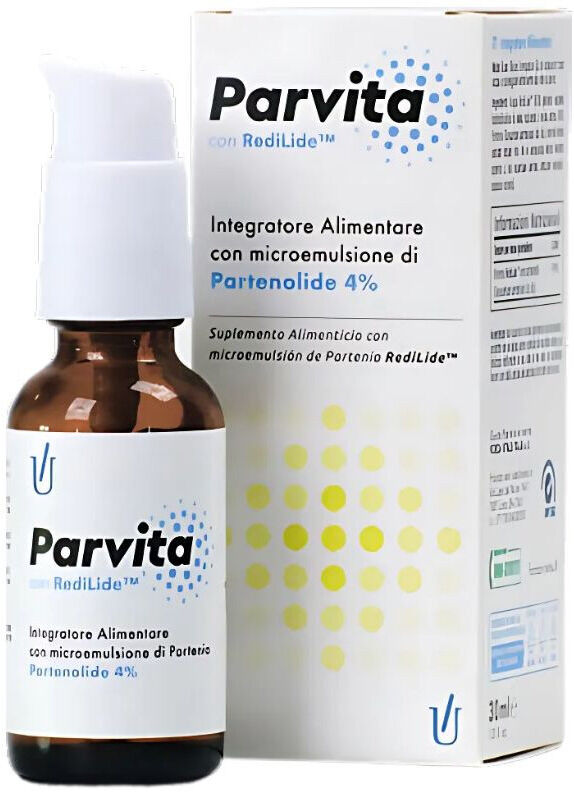
Forza Vitale Parvita 30 mlNutrition and Supplements Special supplements Forza Vitale Parvita 30 ml What is Forza Vitale Parvita 30 ml? Forza Vitale Parvita 30 ml Medium Light Skin is a natural dietary supplement made from carefully selected plant extracts, designed to promote digestive well-being, body cleansing, and metabolic balance. Its exclusive formula includes ingredients such as artichoke, dandelion, and milk thistle, known for their detoxifying and liver-protective properties. This product is part of the advanced phytotherapy line from Forza Vitale, an Italian brand specializing in highly concentrated liquid extracts, ideal for those seeking natural, effective, and rapidly absorbed solutions. Who is it for? Forza Vitale Parvita 30 ml is indicated for: People who want to improve their digestive and liver health naturally Those looking for a supplement to support detoxification and internal cleansing processes Individuals with unbalanced diets or occasional food overload Adults who experience fatigue related to heavy or slow digestion How do I apply it? The instructions for use of Forza Vitale Parvita 30 ml Medium Light Shade are simple and convenient: Dilute 30 drops in a little water, 2 to 3 times a day Preferably take before main meals Shake the bottle well before use. It is recommended to follow your healthcare professional's instructions, especially if you are taking other medications or have a specific medical condition. Product use Regular use of Forza Vitale Parvita offers multiple benefits for the overall health of the body: Stimulates liver function and promotes the elimination of toxins Supports efficient digestion and reduces the feeling of abdominal bloating Contributes to healthy fat and carbohydrate metabolism Increases energy and overall vitality by optimizing digestive processes Promotes general well-being thanks to its purifying effect Thanks to its liquid drop format, the natural active ingredients are absorbed quickly and effectively, allowing you to notice their effects quickly. Buy Forza Vitale Parvita 30 ml Buying Forza Vitale Parvita 30 ml Medium Light is an excellent choice for those who want to take care of their body from within naturally. In our online store, you can purchase this high-quality supplement with complete guarantee and security. Enjoy: Competitive prices and special promotions Fast and discreet shipping throughout Spain Professional customer service to answer your questions Secure shopping with multiple payment options Don't wait any longer to improve your digestion and overall well-being. Add **Forza Vitale Parvita 30 ml** to your daily routine and feel the difference from day one.67,51 £*Shipping: 3,99 £Secure redirect to the provider
-
How often should one water an orange tree?
Orange trees should be watered regularly, typically once a week. However, the frequency of watering may vary depending on factors such as the climate, soil type, and age of the tree. It is important to ensure that the soil is consistently moist but not waterlogged. Monitoring the soil moisture level and adjusting the watering schedule accordingly is key to keeping an orange tree healthy. **
-
How do you care for an orange tree?
To care for an orange tree, it is important to plant it in well-draining soil and in a location that receives full sunlight. Water the tree regularly, especially during dry periods, but be careful not to overwater as this can lead to root rot. Fertilize the tree with a balanced fertilizer in the spring and summer months. Prune the tree to remove dead or diseased branches and to shape the tree for better fruit production. Keep an eye out for pests and diseases, and treat them promptly to keep the tree healthy. **
-
What are we doing wrong with the orange tree?
It seems like the orange tree is not receiving enough sunlight, as it is not growing well and the leaves are turning yellow. Additionally, the soil may not be well-draining, leading to root rot. It is important to ensure the tree is getting adequate sunlight and to improve the soil drainage by repotting it in well-draining soil. Overwatering may also be a factor, so it is important to water the tree only when the top inch of soil is dry. **
-
Can one put the orange tree by the window?
Yes, one can put the orange tree by the window as long as it receives enough sunlight. Orange trees require at least 6-8 hours of direct sunlight per day, so placing it by a sunny window would be ideal. Just make sure the tree is not exposed to drafts or extreme temperature changes, and that the window provides enough space for the tree to grow and thrive. **
* All prices are inclusive of VAT and, if applicable, plus shipping costs. The offer information is based on the details provided by the respective shop and is updated through automated processes. Real-time updates do not occur, so deviations can occur in individual cases. ** Note: Parts of this content were created by AI.