Buy gaestehaus.eu ?
We are moving the project
gaestehaus.eu .
Are you interested in purchasing the domain
gaestehaus.eu ?
domain@kv-gmbh.de · 0541-91531010
Buy gaestehaus.eu ?
What does l'homme de la nature et de la vérité mean?
L'homme de la nature et de la vérité means "the man of nature and truth" in French. This phrase refers to a person who is in tune with the natural world and seeks to live in accordance with truth and authenticity. It conveys the idea of someone who values simplicity, honesty, and a deep connection to the natural environment. This concept is often associated with the Romantic movement in literature and philosophy, which emphasized the importance of nature and the pursuit of truth. **
What is the difference between de, de la, du, des, and de?
The difference between de, de la, du, des, and de lies in their usage with different nouns. "De" is used before masculine singular nouns, "de la" before feminine singular nouns, "du" before masculine singular nouns starting with a vowel or silent "h," and "des" before plural nouns. "De" is also used before verbs and expressions of quantity. **
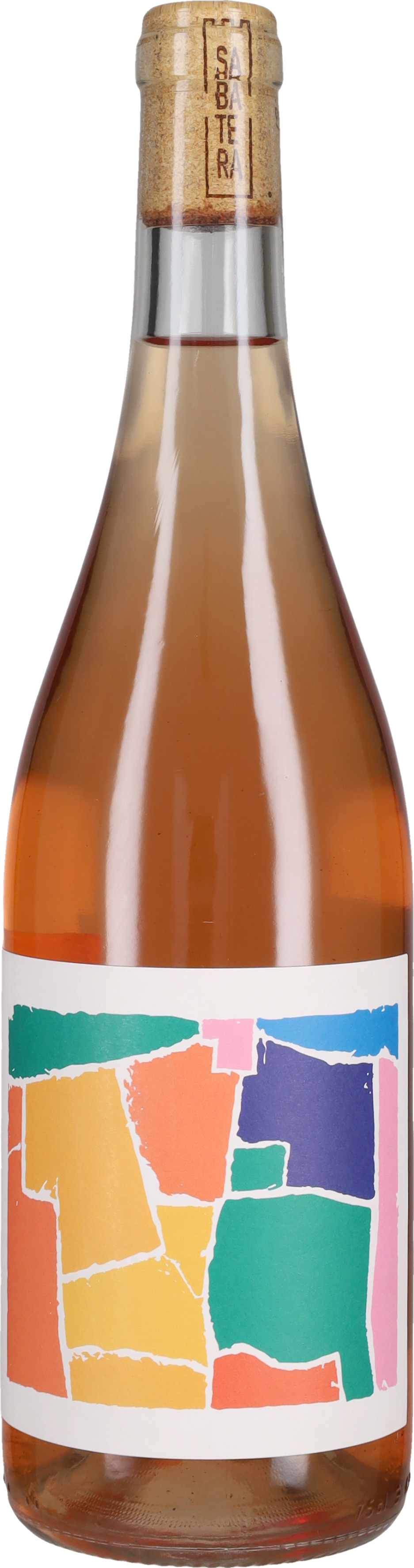

Similar search terms for Mas-de-la-Sabatera
Top-Angebote
Products related to Mas-de-la-Sabatera:
-
Prosecco di Valdobbiadene Superiore Extra Dry 'Mas De Fer' AndreolaProsecco di Valdobbiadene Superiore Extra Dry "Mas De Fer," produced by Andreola, expresses the refined and floral character of the Rive di Soligo area. Always attentive to the enhancement of the territory, the winery has always been committed to the production of high-end Prosecco Superiore, capable of directly expressing the characteristics of the best cru in the Valdobbiadene area. It is a classic version with the traditional Extra-Dry dosage, which makes the sip particularly persuasive and harmonious. It represents the ideal choice for those who want to break out of a somewhat standardized Prosecco horizon and discover the different nuances that the terroir of the historic Valdobbiadene area can offer. "Mas De Fer" Extra Dry is a Prosecco di Valdobbiadene Superiore from the Rive Selection collection of Andreola, one of the wineries that have invested the most in estate zoning to produce a range of labels dedicated to individual vineyards of historic crus in the area. The Glera grapes used to produce the Mas de Fer label come from vineyards cultivated on the hills of Col de Fer and San Gallo, at an altitude of 500 meters above sea level, in the Rive di Soligo area. A 5-hectare parcel characterized by clay soils, with sandstone subsoil and a very cool, well-ventilated microclimate. After manual harvesting, the grapes are softly pressed, and the must-bloom ferments in temperature-controlled stainless steel tanks. After a short ageing period, the base wines are transferred to autoclaves for prise de mousse and second fermentation using the Martinotti or Charmat Method. Andreola's Extra Dry "Mas De Fer" is a Prosecco di Valdobbiadene Superiore, the result of a company project created to give value to the individual territories of the estate and highlight their peculiarities. Thus was born a sparkling wine with a brilliant straw-yellow face and a fine, continuous perlage. The bouquet expresses delicate aromas of acacia flowers, aromas of citrus, pear, apple and fragrant white-fleshed fruit. The sip is creamy and smooth, with ripe, rich fruit and a finish on fresh, savoury notes. The Extra-Dry dosage makes it an ideal bottle to enjoy at aperitif time, accompanied by appetizers, cured meats and semi-seasoned cheeses.15,00 £*Shipping: 48,00 £Secure redirect to the provider

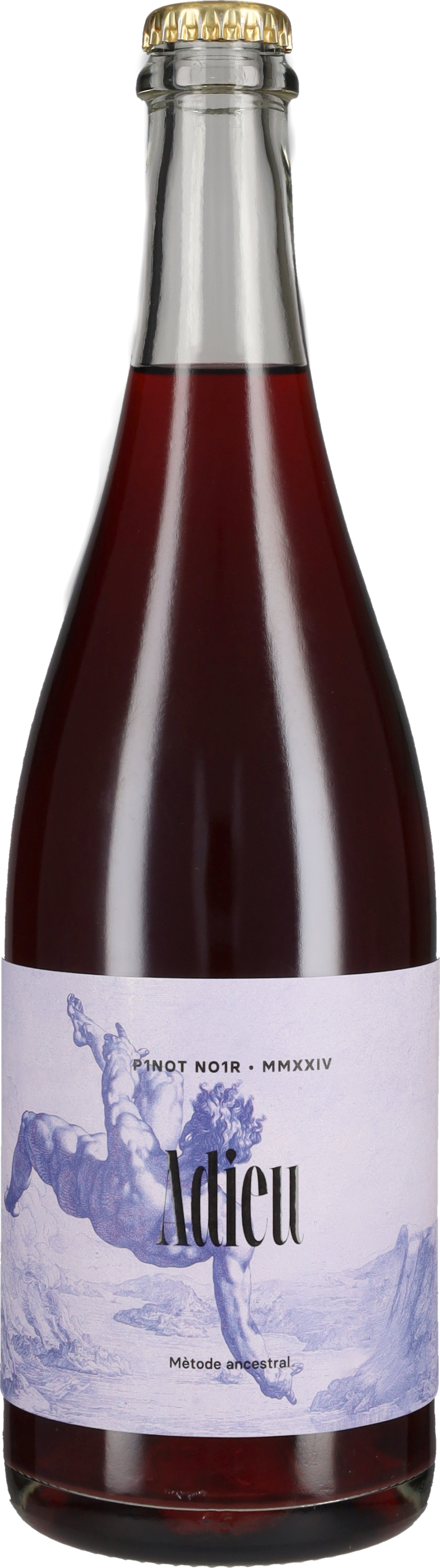
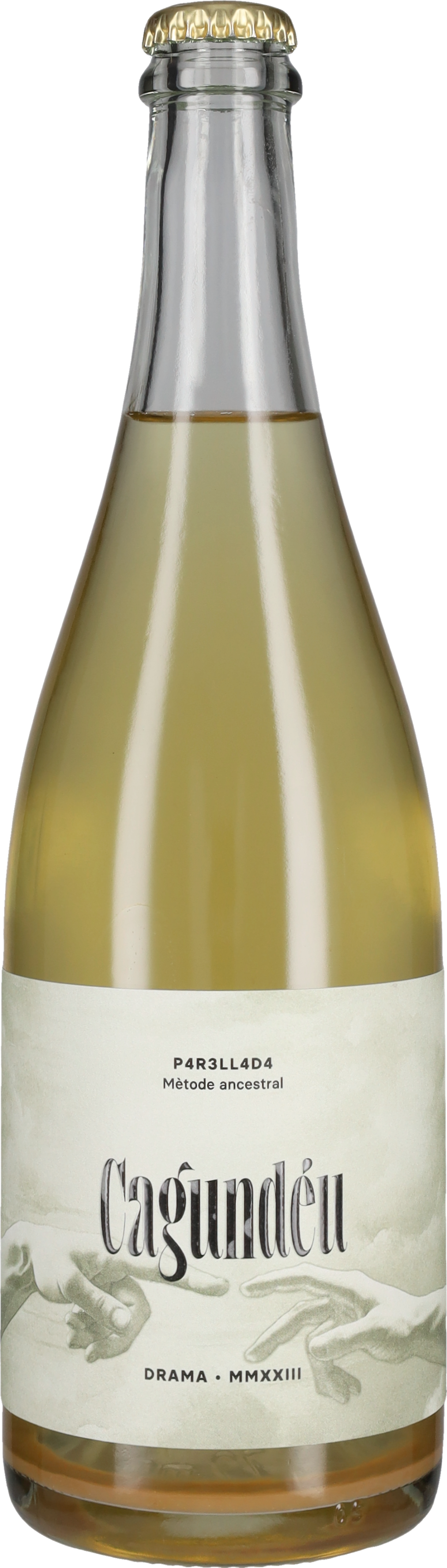

-
Who was Jean de La Fontaine?
Jean de La Fontaine was a French poet and fabulist who lived in the 17th century. He is best known for his collection of fables, which were written in verse and often featured animals as characters to convey moral lessons. La Fontaine's fables are still widely read and studied for their wit, humor, and timeless wisdom. He is considered one of the greatest French poets of his time and his work continues to be celebrated for its enduring appeal. **
-
What does "La Marquise de Pompadour est la maîtresse de Louis XV" mean translated into German?
"La Marquise de Pompadour est la maîtresse de Louis XV" translates to "Die Marquise von Pompadour ist die Geliebte von Louis XV" in German. **
-
When do you use "de, de el, del, and de la" in Spanish?
In Spanish, "de" is used to indicate possession or relationship between two nouns, for example: el libro de Juan (Juan's book). "De el" is contracted to "del" and is used when the noun following it is masculine singular, for example: el libro del estudiante (the student's book). "De la" is used when the noun following it is feminine singular, for example: la casa de la abuela (the grandmother's house). These prepositions are used to show possession or relationship between two nouns in Spanish. **
-
Why does De La Soul do that?
De La Soul is known for their innovative and unique approach to hip-hop music, often incorporating eclectic samples, playful lyrics, and unconventional song structures. They do this to push the boundaries of the genre and create music that is both thought-provoking and enjoyable. Their willingness to experiment and take risks has allowed them to remain influential and relevant in the hip-hop community for decades. **

When do we use du, de la, de l', and des?
We use "du" when referring to masculine singular nouns, "de la" when referring to feminine singular nouns, "de l'" when referring to singular nouns starting with a vowel or silent 'h', and "des" when referring to plural nouns. These articles are partitive articles used to indicate an unspecified quantity or part of something. For example, "du pain" (some bread), "de la salade" (some salad), "de l'eau" (some water), and "des fruits" (some fruits). **
When do you use du, de la, de l' and des?
You use "du" when referring to masculine singular nouns, "de la" when referring to feminine singular nouns, "de l'" when referring to singular nouns that start with a vowel or silent "h", and "des" when referring to plural nouns. These are partitive articles used to indicate an unspecified quantity or some of something. For example, "du pain" (some bread), "de la confiture" (some jam), "de l'eau" (some water), and "des fruits" (some fruits). **
Top-Angebote
Products related to Mas-de-la-Sabatera:
-
Spumante Brut Nature 'La Planta' Mas GomàMas Gomà's Brut Nature 'La Planta' sparkling wine originates in Spain, specifically in the Les Cabanyes, in the municipality of Barcelona. The Vandrell family bought a farmhouse dating back to 1724 with a small Romanesque church built around 1135. Generation after generation, the Vandrells have worked the land and raw material, investing in traditional methods that respect the ecosystem surrounding the vineyards. Today, Joan Vendrell is in charge of the entire family business management, designing his own business plan to take the company into the near future. The Xarel-lo, Macabeu and Parellada grapes in Mas Gomà's Spumante Brut Nature 'La Planta' are about 60 years old. The climate is purely continental, with very hot and sultry summers and cold winters, but not characterised by frosts that could compromise the harvest. The soil is mainly composed of limestone, which allows the wines to possess good character and long, beneficial ageing. The cultivation regime chosen is biodynamic, without using chemicals, herbicides and pesticides and favouring using natural decoctions based on nettles and herbs to strengthen the plants and keep the ecosystem around the vines intact. Once the grapes have been harvested, spontaneous alcoholic fermentation and re-fermentation in the bottle with indigenous yeasts takes place. It matures for approximately 24 months on the lees in the bottle. "La Planta" Spumante Brut Nature from Mas Gomà presents itself in the glass as a non-intense lemon yellow with a fine and persistent perlage. The aromas released are those of ripe yellow-fleshed fruit such as apple, citrusy hints of lime and grapefruit, and notes of freshly baked bread crust. In the mouth, it is light and dry, with an inviting final freshness and a pleasant intensity. It pairs perfectly with warm starters of shellfish and molluscs, fish tartare, smoked salmon and light appetisers of fresh cheeses. This wine is perfect for cheerful family lunches or gatherings with friends on special occasions, to enjoy an authentic and genuine wine, ambassador of the wonderful land from which it comes.19,00 £*Shipping: 48,00 £Secure redirect to the provider
-
Prosecco di Valdobbiadene Superiore Extra Dry 'Mas De Fer' AndreolaProsecco di Valdobbiadene Superiore Extra Dry "Mas De Fer," produced by Andreola, expresses the refined and floral character of the Rive di Soligo area. Always attentive to the enhancement of the territory, the winery has always been committed to the production of high-end Prosecco Superiore, capable of directly expressing the characteristics of the best cru in the Valdobbiadene area. It is a classic version with the traditional Extra-Dry dosage, which makes the sip particularly persuasive and harmonious. It represents the ideal choice for those who want to break out of a somewhat standardized Prosecco horizon and discover the different nuances that the terroir of the historic Valdobbiadene area can offer. "Mas De Fer" Extra Dry is a Prosecco di Valdobbiadene Superiore from the Rive Selection collection of Andreola, one of the wineries that have invested the most in estate zoning to produce a range of labels dedicated to individual vineyards of historic crus in the area. The Glera grapes used to produce the Mas de Fer label come from vineyards cultivated on the hills of Col de Fer and San Gallo, at an altitude of 500 meters above sea level, in the Rive di Soligo area. A 5-hectare parcel characterized by clay soils, with sandstone subsoil and a very cool, well-ventilated microclimate. After manual harvesting, the grapes are softly pressed, and the must-bloom ferments in temperature-controlled stainless steel tanks. After a short ageing period, the base wines are transferred to autoclaves for prise de mousse and second fermentation using the Martinotti or Charmat Method. Andreola's Extra Dry "Mas De Fer" is a Prosecco di Valdobbiadene Superiore, the result of a company project created to give value to the individual territories of the estate and highlight their peculiarities. Thus was born a sparkling wine with a brilliant straw-yellow face and a fine, continuous perlage. The bouquet expresses delicate aromas of acacia flowers, aromas of citrus, pear, apple and fragrant white-fleshed fruit. The sip is creamy and smooth, with ripe, rich fruit and a finish on fresh, savoury notes. The Extra-Dry dosage makes it an ideal bottle to enjoy at aperitif time, accompanied by appetizers, cured meats and semi-seasoned cheeses.15,00 £*Shipping: 48,00 £Secure redirect to the provider
-
What does l'homme de la nature et de la vérité mean?
L'homme de la nature et de la vérité means "the man of nature and truth" in French. This phrase refers to a person who is in tune with the natural world and seeks to live in accordance with truth and authenticity. It conveys the idea of someone who values simplicity, honesty, and a deep connection to the natural environment. This concept is often associated with the Romantic movement in literature and philosophy, which emphasized the importance of nature and the pursuit of truth. **
-
What is the difference between de, de la, du, des, and de?
The difference between de, de la, du, des, and de lies in their usage with different nouns. "De" is used before masculine singular nouns, "de la" before feminine singular nouns, "du" before masculine singular nouns starting with a vowel or silent "h," and "des" before plural nouns. "De" is also used before verbs and expressions of quantity. **
-
Who was Jean de La Fontaine?
Jean de La Fontaine was a French poet and fabulist who lived in the 17th century. He is best known for his collection of fables, which were written in verse and often featured animals as characters to convey moral lessons. La Fontaine's fables are still widely read and studied for their wit, humor, and timeless wisdom. He is considered one of the greatest French poets of his time and his work continues to be celebrated for its enduring appeal. **
-
What does "La Marquise de Pompadour est la maîtresse de Louis XV" mean translated into German?
"La Marquise de Pompadour est la maîtresse de Louis XV" translates to "Die Marquise von Pompadour ist die Geliebte von Louis XV" in German. **
Similar search terms for Mas-de-la-Sabatera
-
When do you use "de, de el, del, and de la" in Spanish?
In Spanish, "de" is used to indicate possession or relationship between two nouns, for example: el libro de Juan (Juan's book). "De el" is contracted to "del" and is used when the noun following it is masculine singular, for example: el libro del estudiante (the student's book). "De la" is used when the noun following it is feminine singular, for example: la casa de la abuela (the grandmother's house). These prepositions are used to show possession or relationship between two nouns in Spanish. **
-
Why does De La Soul do that?
De La Soul is known for their innovative and unique approach to hip-hop music, often incorporating eclectic samples, playful lyrics, and unconventional song structures. They do this to push the boundaries of the genre and create music that is both thought-provoking and enjoyable. Their willingness to experiment and take risks has allowed them to remain influential and relevant in the hip-hop community for decades. **
-
When do we use du, de la, de l', and des?
We use "du" when referring to masculine singular nouns, "de la" when referring to feminine singular nouns, "de l'" when referring to singular nouns starting with a vowel or silent 'h', and "des" when referring to plural nouns. These articles are partitive articles used to indicate an unspecified quantity or part of something. For example, "du pain" (some bread), "de la salade" (some salad), "de l'eau" (some water), and "des fruits" (some fruits). **
-
When do you use du, de la, de l' and des?
You use "du" when referring to masculine singular nouns, "de la" when referring to feminine singular nouns, "de l'" when referring to singular nouns that start with a vowel or silent "h", and "des" when referring to plural nouns. These are partitive articles used to indicate an unspecified quantity or some of something. For example, "du pain" (some bread), "de la confiture" (some jam), "de l'eau" (some water), and "des fruits" (some fruits). **
* All prices are inclusive of VAT and, if applicable, plus shipping costs. The offer information is based on the details provided by the respective shop and is updated through automated processes. Real-time updates do not occur, so deviations can occur in individual cases. ** Note: Parts of this content were created by AI.