Buy gaestehaus.eu ?
We are moving the project
gaestehaus.eu .
Are you interested in purchasing the domain
gaestehaus.eu ?
domain@kv-gmbh.de · 0541-91531010
Buy gaestehaus.eu ?
Why can one protect a food from decay?
One can protect food from decay by using methods such as refrigeration, freezing, canning, drying, or adding preservatives. These methods help to slow down the growth of bacteria, mold, and other microorganisms that cause food to spoil. By controlling the temperature, moisture, and exposure to air, one can extend the shelf life of food and prevent it from decaying. **
What does food, drink, and lodging provide in DND?
In Dungeons and Dragons (DND), food, drink, and lodging provide characters with sustenance and rest. Food and drink are necessary for characters to maintain their strength and energy, while lodging provides a place for characters to rest and recover from their adventures. In the game, characters must regularly consume food and drink to avoid exhaustion and starvation, and they require lodging to regain hit points and recover from injuries. Additionally, food, drink, and lodging can also be used as a way to interact with NPCs and gather information during the game. **
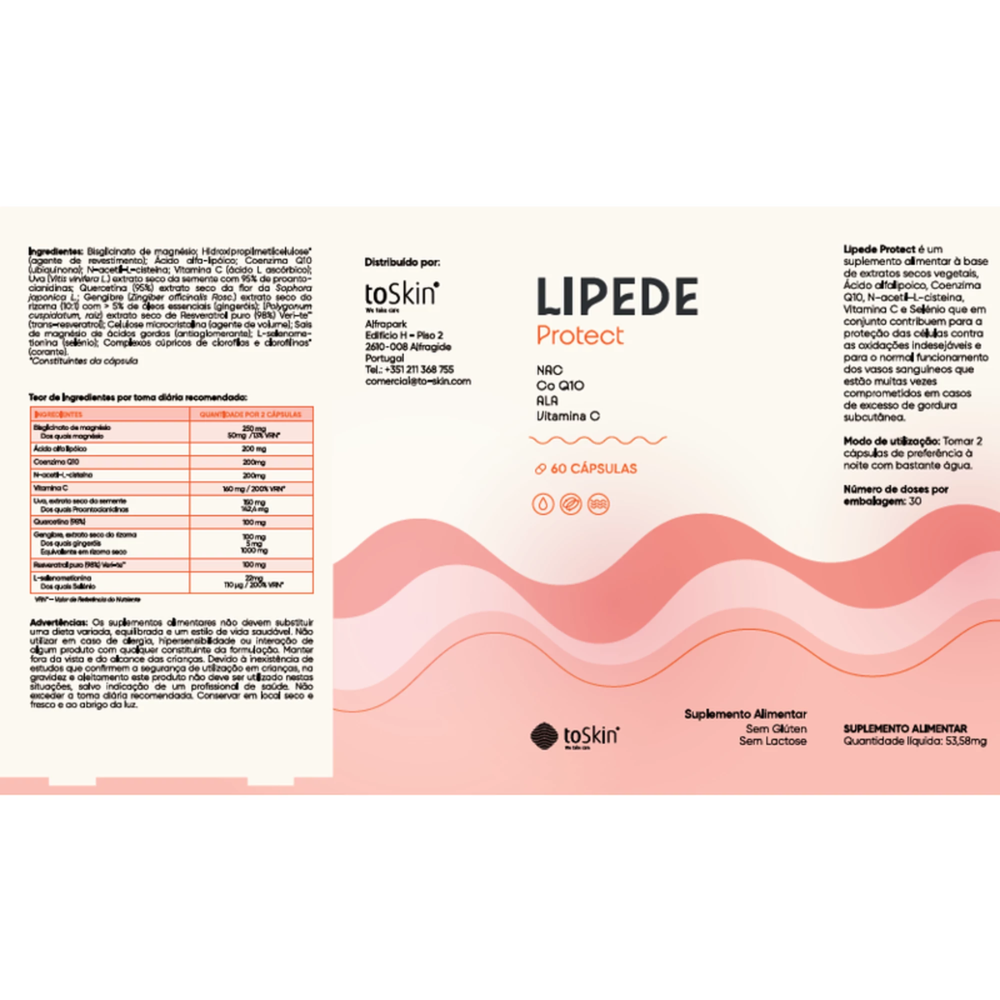
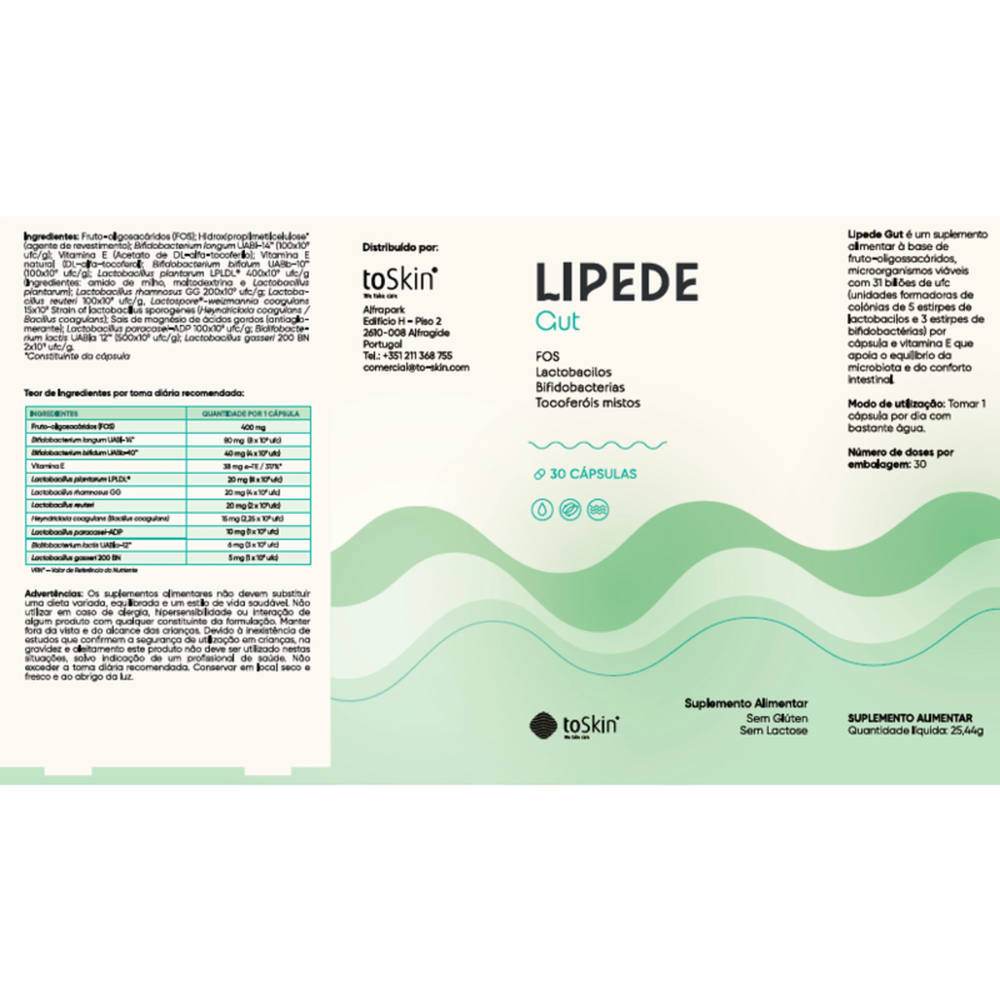
Similar search terms for ToSkin-Lipede-Protect-Food
Top-Angebote
Products related to ToSkin-Lipede-Protect-Food:
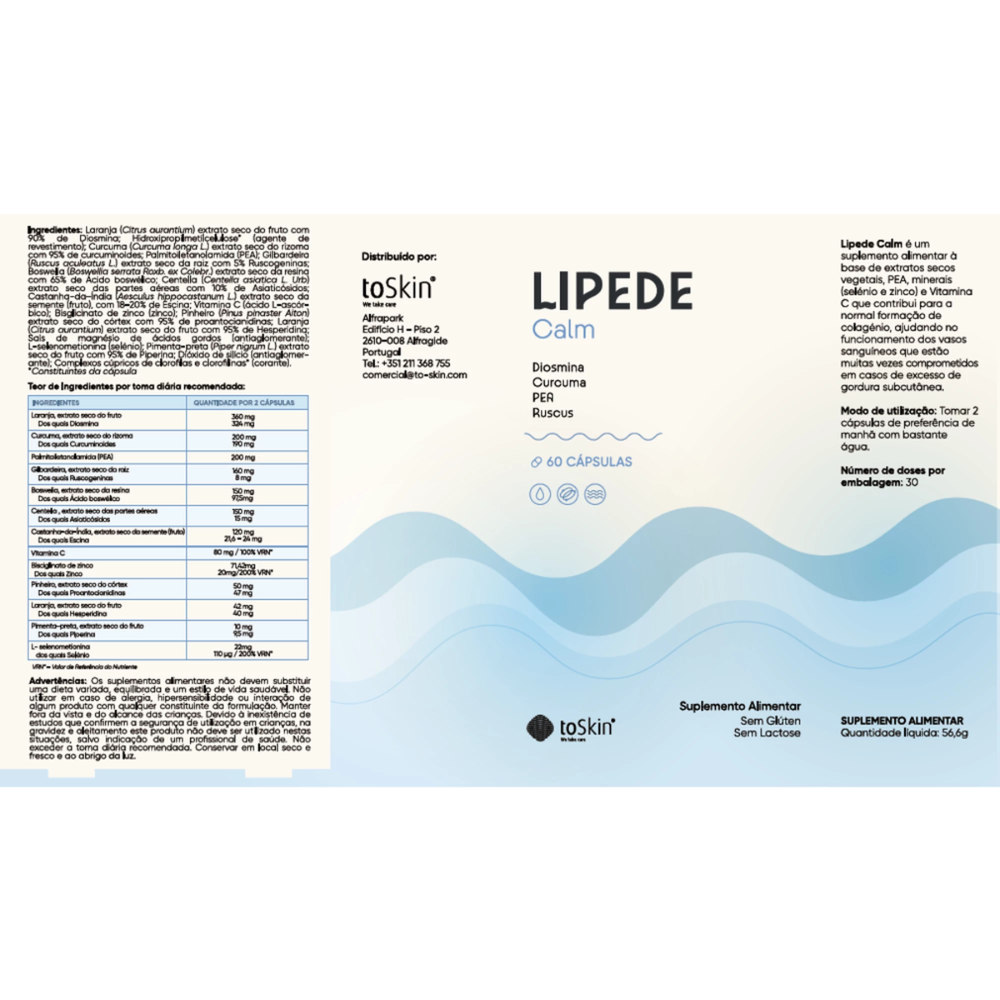



-
Why does the dog suddenly protect groceries and food that do not belong to him?
Dogs have a natural instinct to protect resources, such as food, to ensure their survival. This behavior is rooted in their ancestral instincts to guard their food from potential threats or competitors. When a dog encounters groceries or food that do not belong to him, he may still feel the need to protect it as a valuable resource. Additionally, dogs may also exhibit protective behavior out of loyalty to their owners or a desire to please them. **
-
Why do some animals protect their food even though it has been given to them?
Some animals may protect their food even if it has been given to them because they have an instinctual drive to protect and secure their resources. This behavior may have evolved as a survival strategy to ensure that they have enough food to sustain themselves, especially in environments where food availability is unpredictable. Additionally, protecting their food may also be a way for animals to establish and maintain their social status within a group or to prevent potential theft from other animals. Overall, this behavior is likely a combination of instinctual drives and learned behaviors that help animals ensure their survival and well-being. **
-
How can I combat food moths in the bedroom?
To combat food moths in the bedroom, you can start by thoroughly cleaning the area and removing any potential food sources such as crumbs or open food containers. Store all food items in airtight containers to prevent moths from accessing them. You can also use moth traps or natural repellents like cedar blocks or lavender sachets to deter moths from entering your bedroom. Regularly vacuuming and keeping the bedroom clean and clutter-free can also help prevent food moths from infesting the space. **
-
How does food travel through the body?
Food travels through the body by first being chewed in the mouth and mixed with saliva to form a bolus. The bolus then travels down the esophagus to the stomach, where it is further broken down by stomach acids and enzymes. From the stomach, the partially digested food moves into the small intestine where nutrients are absorbed into the bloodstream. The remaining waste then passes into the large intestine before being eliminated from the body as feces. **


Why do you protect?
I protect because I believe in the importance of safeguarding the well-being and rights of others. It is my duty to ensure the safety and security of those who may be vulnerable or in need of assistance. By protecting others, I am contributing to creating a more just and compassionate society where everyone can thrive and feel safe. **
How do detergents protect?
Detergents protect by breaking down and removing dirt, oil, and other substances from surfaces. They contain surfactants that lower the surface tension of water, allowing it to penetrate and lift away grime. Detergents also help to emulsify oils and grease, making them easier to rinse away. Overall, detergents work to effectively clean and protect surfaces from buildup and stains. **
Top-Angebote
Products related to ToSkin-Lipede-Protect-Food:
-
Why can one protect a food from decay?
One can protect food from decay by using methods such as refrigeration, freezing, canning, drying, or adding preservatives. These methods help to slow down the growth of bacteria, mold, and other microorganisms that cause food to spoil. By controlling the temperature, moisture, and exposure to air, one can extend the shelf life of food and prevent it from decaying. **
-
What does food, drink, and lodging provide in DND?
In Dungeons and Dragons (DND), food, drink, and lodging provide characters with sustenance and rest. Food and drink are necessary for characters to maintain their strength and energy, while lodging provides a place for characters to rest and recover from their adventures. In the game, characters must regularly consume food and drink to avoid exhaustion and starvation, and they require lodging to regain hit points and recover from injuries. Additionally, food, drink, and lodging can also be used as a way to interact with NPCs and gather information during the game. **
-
Why does the dog suddenly protect groceries and food that do not belong to him?
Dogs have a natural instinct to protect resources, such as food, to ensure their survival. This behavior is rooted in their ancestral instincts to guard their food from potential threats or competitors. When a dog encounters groceries or food that do not belong to him, he may still feel the need to protect it as a valuable resource. Additionally, dogs may also exhibit protective behavior out of loyalty to their owners or a desire to please them. **
-
Why do some animals protect their food even though it has been given to them?
Some animals may protect their food even if it has been given to them because they have an instinctual drive to protect and secure their resources. This behavior may have evolved as a survival strategy to ensure that they have enough food to sustain themselves, especially in environments where food availability is unpredictable. Additionally, protecting their food may also be a way for animals to establish and maintain their social status within a group or to prevent potential theft from other animals. Overall, this behavior is likely a combination of instinctual drives and learned behaviors that help animals ensure their survival and well-being. **
Similar search terms for ToSkin-Lipede-Protect-Food
-
How can I combat food moths in the bedroom?
To combat food moths in the bedroom, you can start by thoroughly cleaning the area and removing any potential food sources such as crumbs or open food containers. Store all food items in airtight containers to prevent moths from accessing them. You can also use moth traps or natural repellents like cedar blocks or lavender sachets to deter moths from entering your bedroom. Regularly vacuuming and keeping the bedroom clean and clutter-free can also help prevent food moths from infesting the space. **
-
How does food travel through the body?
Food travels through the body by first being chewed in the mouth and mixed with saliva to form a bolus. The bolus then travels down the esophagus to the stomach, where it is further broken down by stomach acids and enzymes. From the stomach, the partially digested food moves into the small intestine where nutrients are absorbed into the bloodstream. The remaining waste then passes into the large intestine before being eliminated from the body as feces. **
-
Why do you protect?
I protect because I believe in the importance of safeguarding the well-being and rights of others. It is my duty to ensure the safety and security of those who may be vulnerable or in need of assistance. By protecting others, I am contributing to creating a more just and compassionate society where everyone can thrive and feel safe. **
-
How do detergents protect?
Detergents protect by breaking down and removing dirt, oil, and other substances from surfaces. They contain surfactants that lower the surface tension of water, allowing it to penetrate and lift away grime. Detergents also help to emulsify oils and grease, making them easier to rinse away. Overall, detergents work to effectively clean and protect surfaces from buildup and stains. **
* All prices are inclusive of VAT and, if applicable, plus shipping costs. The offer information is based on the details provided by the respective shop and is updated through automated processes. Real-time updates do not occur, so deviations can occur in individual cases. ** Note: Parts of this content were created by AI.